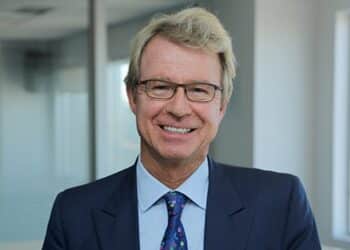

Traditional portfolios are slowing investors down, according to Apostle Funds Management, which argues the next decade will belong to those who build “speedboats” into their allocation – nimble, opportunistic strategies designed to cut through turbulence and capture what traditional equities and bonds increasingly miss.
These can include well-constructed hedge funds, private credit and value-driven real estate strategies.
“These are the real alpha drivers within your portfolio from a portfolio construction perspective. How we’re looking at it is more opportunistic investments. The areas we’ve been looking at is in hedge funds,” managing director Mitchell Gunman said.
“Hedge funds I think is a very broad term. There’s many different types and they all have different roles within a client’s portfolio.”
With volatility rising and market cycles compressing, Apostle says investors can no longer depend on slow-moving portfolios to get them through the next turn. Portfolios must be agile, opportunistic and equipped to react instantly – a sharp departure from the steady 60/40 playbook.
“We’ve been looking specifically at kind of more opportunistic or event-driven hedge funds. These are the groups that are really designed to capitalise on volatility.
“The pace and speed of what markets move at now, you need someone who’s nimble and agile, that can kind of capture the opportunities. And that’s where a lot of these kinds of speedboat managers are quite well positioned, because they can capture the volatility and capitalise it.”
Gunman says it’s about capturing volatility within the portfolio, and notes that many clients are adopting a barbell approach which can include quant equities and credit.
“They might be taking a little bit more of a defensive approach, where they’re trying to do capital preservation and find lower volatility products.
“Getting more diversification within your portfolio and then blending it with an opportunistic speedboat in your portfolio to really capture that alpha.
“These are strategies that they’re going to participate in the volatility but really they’re going to then capture outsized returns.”
The firm recently partnered with US quant fund manager Qtron to provide Australian investors access to its global equity strategies.
Gunman sees alternatives as the biggest blind spot in traditional 60/40 portfolios.
“I think the biggest gap within client’s portfolio is well-designed or well-programmed alternatives. These are typically going to be your investments that are getting uncorrelated to the markets… they’re niche. That could be private equity, specialised credit, hedge funds, alternate real estate..”
He says these exposures help round out diversification versus standard Australian and global equity and bond allocations.
Accessibility is also driving investors to re-examine their portfolio construction.
“There’s a lot of products in the wholesale space, in alternatives that is now accessible. That has really come from groups, like ourselves. We’ve just launched a feeder fund for our opportunistic hedge fund manager, CastleKnight. Those sort of products weren’t once available to wholesale clients.”
In Apostle’s global credit portfolio, up to 20 per cent is in private markets and private credit, with the remainder in liquid credit.
“That’s really to provide clients access to these kinds of lower vol private credit assets, but in a liquid format. Products like that haven’t really been around for many years and that’s really the opportunity,” Gunman said.
He highlights US mid-market private credit as a favourite: “The reason why I like that space is especially in the US, you’ve got the size and depth of market, which we don’t necessarily have here. You’re also operating in a space where you’re not competing with the syndicated loan market or bond market – I quite like that from a defensive play.”
Gunman also sees undervalued resilience in global real estate – especially in the US. Apostle favours demographically-driven US asset classes such as medical offices, multifamily, senior and student housing.
“There we’re seeing it’s a bit more on the value-add to the high-risk spectrum of products. This has really come from market valuations, cap rates have been re-adjusting over the last couple of years – that has created a lot of opportunities.”
He says mid-market managers can capitalise as large US fund managers unwind high-valuation portfolios.
“That’s where I think we’re seeing quite a bit of value at the moment within clients, and they’ve got quite a lot of appetite to kind of capture that as well.”
Ultimately, manager selection is paramount.
“The good use of alternatives is you’ve got multiple different sources and streams and the key thing within building out your alternatives portfolio is the manager – it all comes down to the expertise of the manager.
“Typically in alternatives, you’re dealing in very niche asset classes or very niche market verticals that require skills and expertise that not necessarily, you know, the larger managers have.”
Active management, Gunman says, plays a crucial role in today’s macro and geopolitical environment.
“I think active management is also really important to the point of playing a role in your portfolio from an asset allocation perspective. I think you can definitely have a blend of passive and what we’re calling ‘quantimental’.”
He says clients are increasingly adding quant managers to help smooth volatility in equities portfolios.
“I think that’s really important, especially in areas like equities, which is intra-day priced – you need someone that can help be that volatility dampener, especially because they can react to the geopolitical environment.”
Gunman also sees misconceptions around alternatives.
“Typically, everyone says alternatives and you think of private market money as locked up, that’s not necessarily the answer. I think there’s lots of different structures now. There’s lots of different product designs that now make alternatives accessible and more liquid.”