
X
  • About
  • Advertise
  • Contact
  • Events
Subscribe to our Newsletter
  • News
    • Markets
    • Regulation
    • Super
    • M&A
    • Tech
    • Appointments
  • Podcast
  • Webcasts
  • Video
  • Analysis
  • Promoted Content
No Results
View All Results
  • News
    • Markets
    • Regulation
    • Super
    • M&A
    • Tech
    • Appointments
  • Podcast
  • Webcasts
  • Video
  • Analysis
  • Promoted Content
No Results
View All Results
No Results
View All Results
Home News Mergers & Acquisitions

Qantas Super closes doors as ART merger is complete

Qantas Super has officially merged with ART over the weekend, with its CEO describing the “bittersweet” decision as being in the best financial interest of its members.

by Jessica Penny
March 31, 2025
in Mergers & Acquisitions, News
Reading Time: 3 mins read
Share on FacebookShare on Twitter

On 29 March, Qantas Super officially merged with the Australian Retirement Trust (ART), transferring over 25,000 members and approximately $9 billion in funds under management to the country’s second-largest superannuation fund.

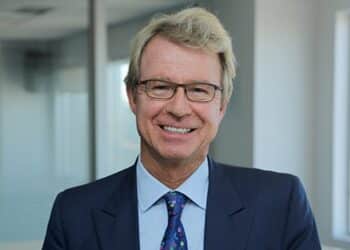
Taking to LinkedIn to confirm the news, Qantas Super chief executive Michael Clancy described serving both current and former members over the fund’s history as a “profound privilege and honour”.

X

“Qantas Super was founded in 1939 to provide retirement benefits to Qantas Group employees. In the 86 years since, we’ve been delivering on that commitment; through the turmoil of World War II, economic highs and lows, the technological change of the 21st century and everything in between,” Clancy said.

“As we pass the baton to ART, it is the close of this present chapter in the fund’s history and the beginning of another – with the establishment of the Qantas Group Super Plan in ART. And although this is a bittersweet moment for the Qantas Super team, I am super confident that merging Qantas Super into ART is in the best financial interests of our members.”

As confirmed by ART chair Andrew Fraser last month, Qantas Super’s members now join ART’s 2.4 million-strong base, benefiting from its global investment capabilities, financial advice services and dedicated member support.

“We acknowledge Qantas Super’s long history and the care with which it has served its members, and we’re proud to take on this responsibility and support its members to awaken their future,” Fraser said at the time.

Qantas Super first announced its intention to explore merger options in September 2023, before finalising an agreement with ART in July. As one of the last remaining corporate funds, Qantas said it conducted a thorough assessment of its options, including the possibility of remaining an independent corporate super fund, before pursuing the merger with ART.

The superannuation landscape has been shifting for some time, with cost pressures, regulatory requirements and heightened competition prompting many corporate funds to reassess their positions and plan their next steps.

Back in September, InvestorDaily reported that industry experts predict fewer than a dozen corporate funds currently exist, with this number expected to decline further.

Ian Fryer, general manager at Chant West, explained at the time that corporate funds have struggled with trying to navigate cost pressures in the current landscape.

“It’s just so expensive these days to run a super fund, with all the regulation, and rightly so. Super funds are getting so much bigger, with so much money, so this level of regulation is appropriate,” he said.

Similarly, Joshua Lowen, insights manager at SuperRatings, explained that while larger employers have historically viewed corporate plans as a way to tailor and enhance their value proposition to employees, increased competition and regulatory reform are challenging corporate funds to meet the size and scale necessary to remain viable.

He predicted that, while tailored corporate solutions within larger funds will persevere, stand-alone corporate funds are unlikely to endure over the long term.

“This is less driven by their inability to meet the performance test than the sustainability of their cost structures when the number of new members available to the fund is limited,” Lowen said.

Chant West’s Fryer echoed this sentiment, adding that while some corporate offerings like ANZ Staff Super and the Goldman Sachs & JBWere fund have managed to work out a way to run at a “reasonably low cost”, the broader corporate fund landscape is likely to shrink.

“There are very few at the moment and probably, over time, we’ll see more of them wind up,” he told InvestorDaily.


Related Posts

Janus Henderson eyes ‘next leg’ of small-cap recovery in 2026

by Georgie Preston
December 5, 2025

While small-cap talk is increasing, the asset manager has argued the segment looks likely to recover much further, with positive...

Australian asset giants climb in global rankings

by Georgie Preston
December 4, 2025

Two Australian asset owners are among the largest risers since 2017 in a WTW top 100 ranking while the research...

Growth debt set for bigger role amid capital squeeze

by Adrian Suljanovic
December 4, 2025

Growth debt has emerged as a key financing tool as equity and bank lending tightens heading into 2026. Growth debt...

Leave a Reply Cancel reply

Your email address will not be published. Required fields are marked *

VIEW ALL
Promoted Content

Why U.S. middle market private credit is a powerful income solution for Australian institutional investors

In today’s investment landscape, middle market direct lending, a key segment of private credit, has emerged as an attractive option...

by Tim Warrick
December 2, 2025
Promoted Content

Is Your SMSF Missing Out on the Crypto Boom?

Digital assets are the fastest-growing investment in SMSFs. Swyftx's expert team helps you securely and compliantly add crypto to your...

by Swyftx
December 2, 2025
Promoted Content

Global dividends reach US$519 billion, what’s behind the rise?

Global dividends surged to a record US$518.7 billion in Q3 2025, up 6.2% year-on-year, with financials leading the way. The...

by Capital Group
November 18, 2025
Promoted Content

Why smaller can be smarter in private credit

Over the past 15 years, middle market direct lending has grown into one of the most dynamic areas of alternative...

by Tim Warrick, Managing Director of Principal Alternative Credit, Principal Asset Management
November 14, 2025

Join our newsletter

View our privacy policy, collection notice and terms and conditions to understand how we use your personal information.

Latest Podcast

Podcast

Relative Return Insider: GDP rebounds and housing squeeze getting worse

by Adrian Suljanovic
December 5, 2025
After more than two decades, InvestorDaily continues to be an institution that connects and influences Australia’s financial services sector. This influential and integrated media brand connects with leading financial services professionals within superannuation, funds management, financial planning and intermediary distribution through a range of channels, including digital, social, research, broadcast, webcast and events.

Subscribe to our newsletter

View our privacy policy, collection notice and terms and conditions to understand how we use your personal information.

About Us

  • About
  • Advertise
  • Contact
  • Terms & Conditions
  • Privacy Collection Notice
  • Privacy Policy

Popular Topics

  • Markets
  • Appointments
  • Regulation
  • Super
  • Mergers & Acquisitions
  • Tech
  • Promoted Content
  • Analysis

© 2025 All Rights Reserved. All content published on this site is the property of Prime Creative Media. Unauthorised reproduction is prohibited

No Results
View All Results
NEWSLETTER
  • News
  • Markets
  • Regulation
  • Super
  • M&A
  • Tech
  • Appointments
  • Podcast
  • Webcasts
  • Promoted Content
  • Events
  • About
  • Advertise
  • Contact Us

© 2025 All Rights Reserved. All content published on this site is the property of Prime Creative Media. Unauthorised reproduction is prohibited